
Epoxy Floor Coatings
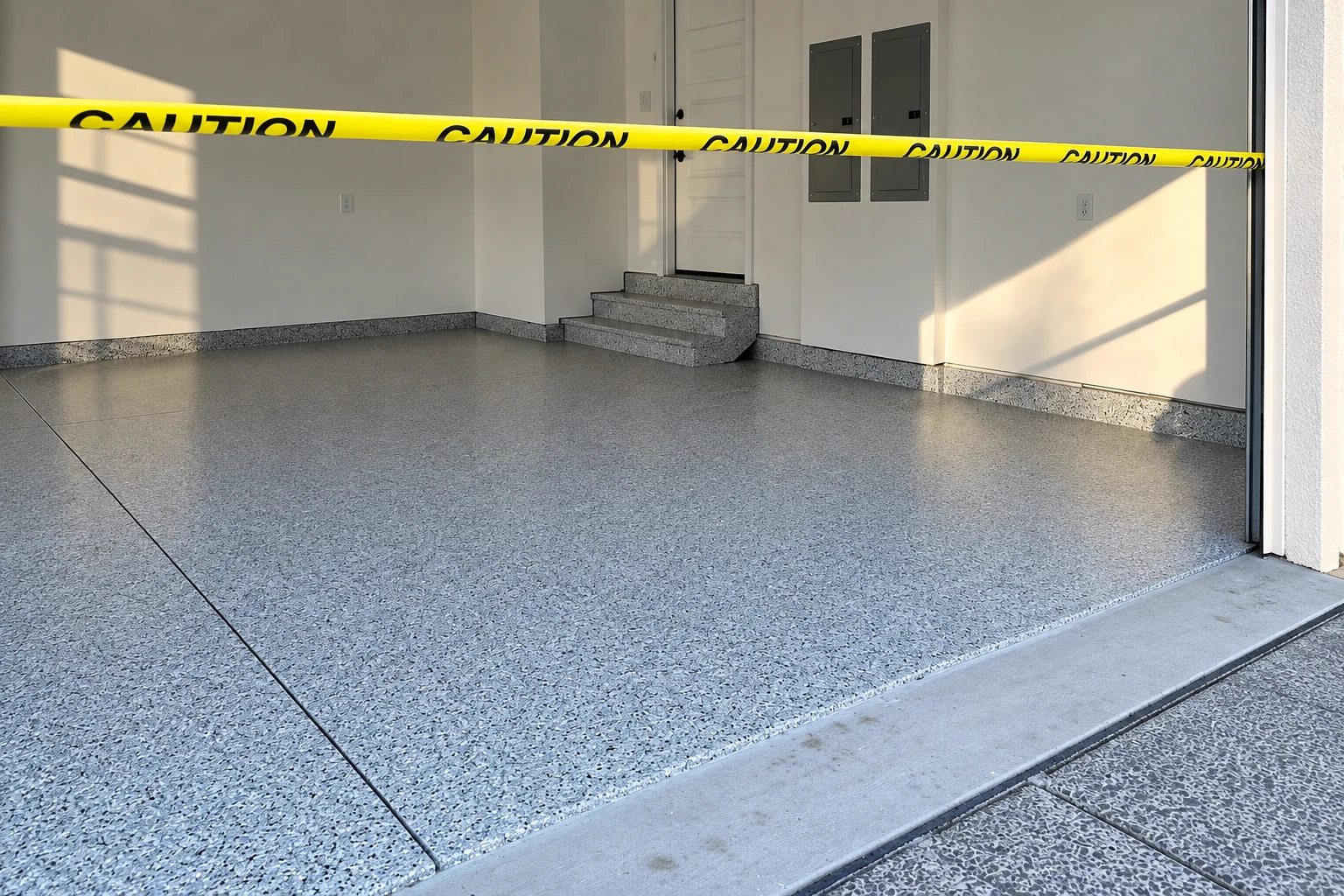
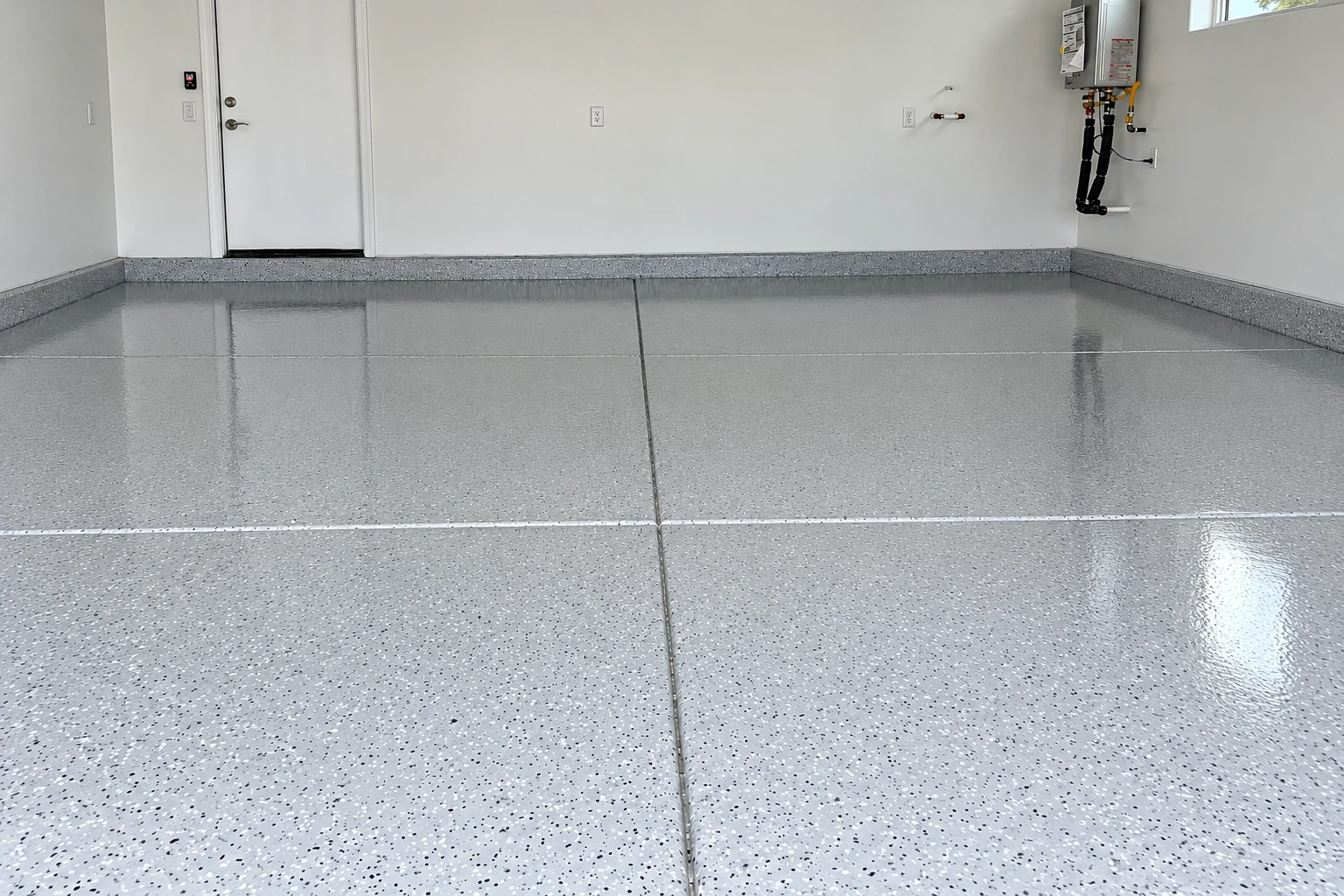
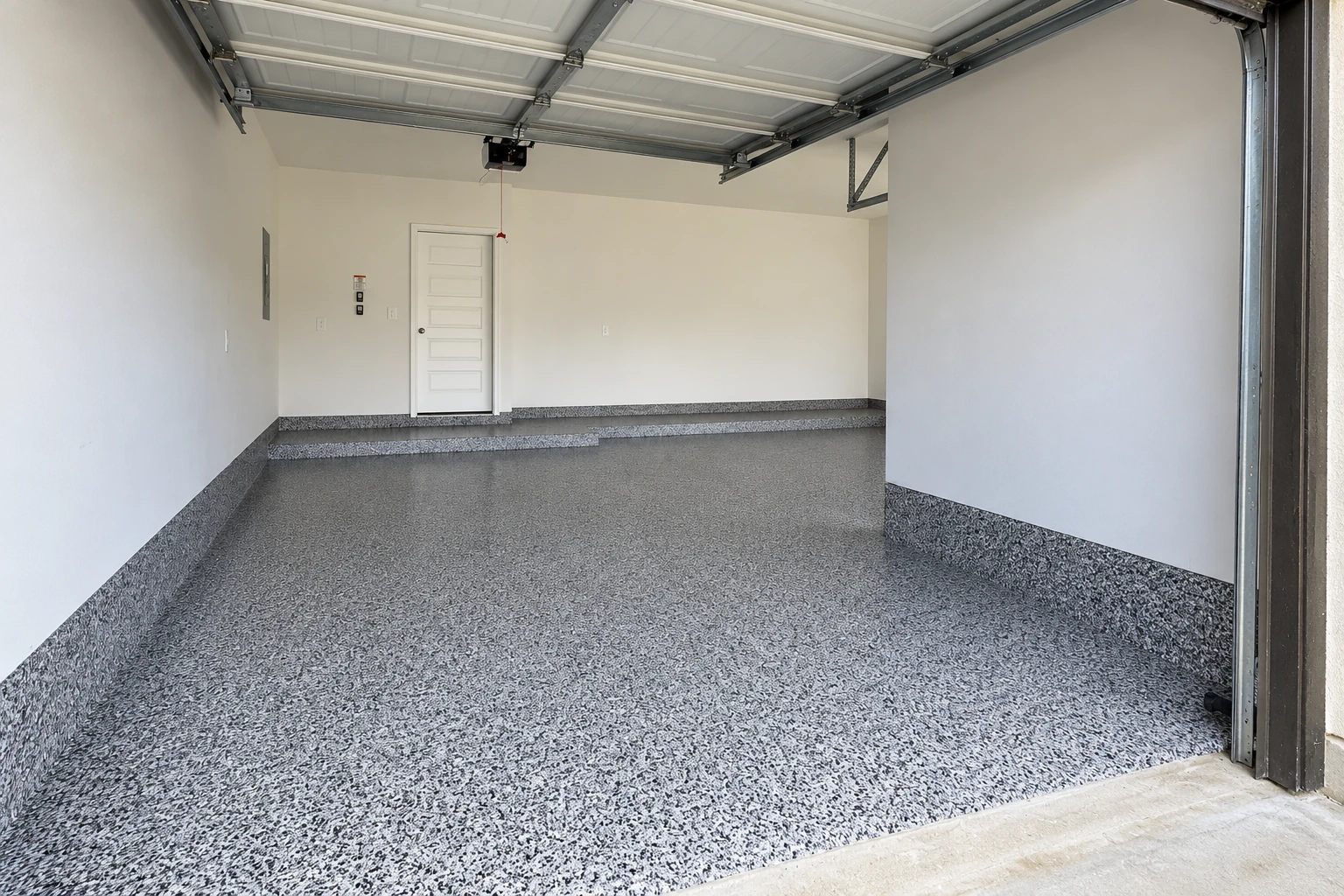
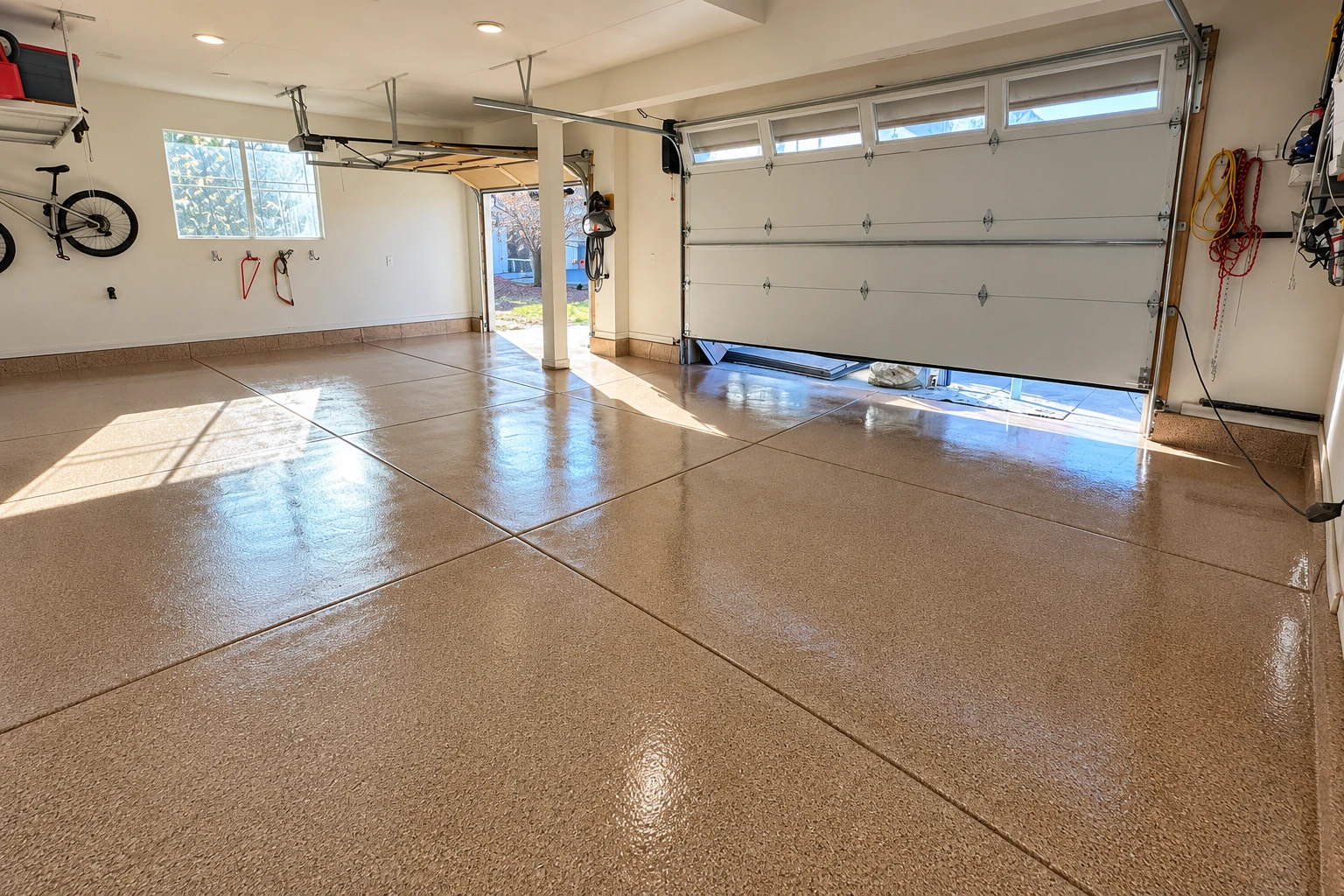
A good fit for garages, laundry rooms and workshops where you want a tough, wipe-clean floor that stands up to oil drips, dropped tools and daily car traffic.
Slabworks Epoxy Floors of Waxahachie is a flooring contractor serving Red Oak, TX. We coat, polish, stain and resurface concrete in garages, patios, pool decks, basements, shops and commercial kitchens across the city.
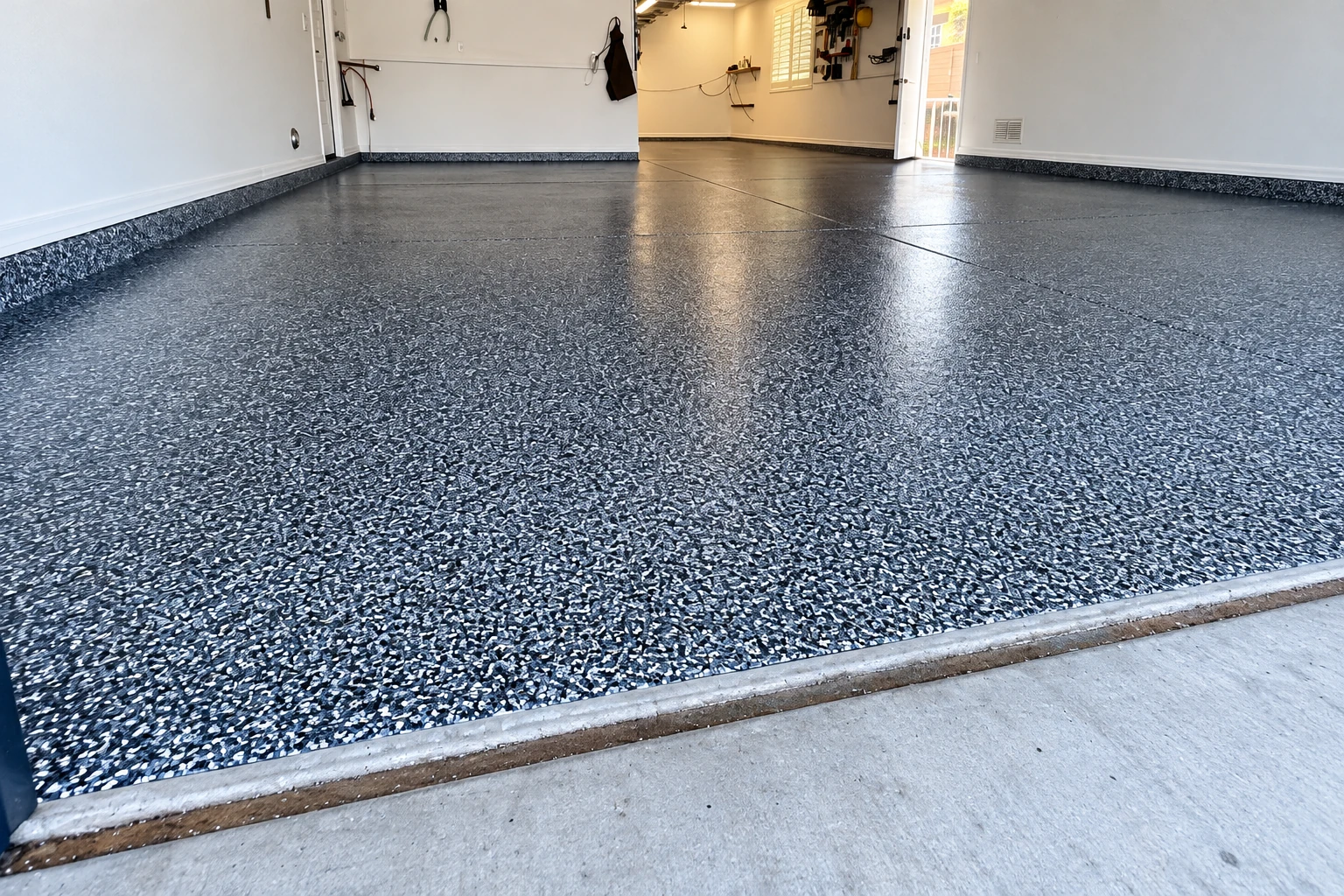
In Red Oak, Slabworks Epoxy Floors of Waxahachie works on the concrete around your house and business: garage floors, patios, pool decks, basements and the shop and kitchen floors that take a beating every day. We coat it, polish it, stain it or rebuild the surface, depending on what the slab can handle.
Red Oak is a short drive up the road from our base in Waxahachie, so it's familiar ground for our crew. Most calls here start in the garage. People want a floor that sheds oil and road grime, doesn't peel up where hot tires sit, and cleans off with a hose. Next come patios and pool decks that have gone dull, cracked or chalky.
We also see plenty of shops and outbuildings at the back of bigger lots, and those floors get the rough treatment, like jacks, welding sparks and dropped tools. The same goes for the shop and kitchen floors we do for businesses here and over in Midlothian. The coating changes with the job, but the slab under it decides most of what's possible.
A good fit for garages, laundry rooms and workshops where you want a tough, wipe-clean floor that stands up to oil drips, dropped tools and daily car traffic.
For shops, warehouses and commercial kitchens that run all day, with coating systems built to handle forklifts, rolling carts, grease and frequent washdowns.
When your garage slab is stained, dusty or pitted, we grind it clean and lay down a flake or solid-color coating that hides wear and wipes up easily.
A faster-curing coating for homeowners who can't leave the garage out of service for long, and it holds its color well where sun comes through the door.
For a game room, finished basement or showroom where you want depth and movement in the color, worked by hand so no two floors come out alike.
When a floor sees heat, hot water or harsh cleaners, like a restaurant kitchen or food prep room, urethane cement holds up where standard epoxy can soften.
Grinding and polishing the slab itself gives you a hard, glossy floor with no coating to peel, which suits open living areas, shops and retail spaces.
If you like the look of bare concrete but want warmer color, stain soaks into the slab and gets sealed, which works on patios and interior floors alike.
For an entry, lobby or showpiece room, terrazzo sets chips of glass or stone into a binder, then gets ground smooth into a hard-wearing, polished floor.
Below-grade slabs can hold damp, so we check the concrete first, then seal or coat it into a floor that's easy to clean and comfortable to live on.
Before any coating goes down, we diamond grind the slab to open it up and take off old sealer and stains, because most floor failures start right here.
For driveways, patios and garage floors that only need protecting, a sealer helps keep out oil, water and stains without changing how the concrete looks very much.
When a patio or walkway is worn, flaking or patched in a dozen places, a cement overlay gives it a fresh, even surface without tearing out the old slab.
For an interior slab with low spots or a noticeable slope, a self-leveling overlay flows out flat so a coating, polish or new flooring sits right on top.
Pool decks take bare feet, splashed chlorine and patio furniture, so we repair the cracks and resurface or coat them with texture that gives better footing when wet.
If an old coating is peeling, bubbling or just the wrong color, we grind or strip it down to clean concrete so the next floor has something solid to grab.
We reply to every call and form within one business day to set a time that works for you. Then I come out to your Red Oak property myself, look over the slab with you and go through the job, free and with no obligation.
(972) 903-8033In Red Oak, permits come from the city's Permits and Inspections Division in Development Services, and the city inspects all permitted work inside city limits. When a job needs a permit, the review and the inspections set part of the schedule, so we plan around them instead of guessing. Anyone pulling a Red Oak permit has to have a contractor registration on file with the city, which you can check on the city's contractor registration page.
On our end, we check with the permit office while we plan your job and handle any permit the work calls for, so you're not the one chasing it. We're licensed and fully insured. As a flooring contractor based in Waxahachie, TX, we do this same work just north of you in Glenn Heights and DeSoto too.
What moves the price is mostly the slab, meaning its size, its condition and the finish you pick. The schedule turns on how much prep the concrete needs, the cure time between coats and any permit review. You'll see your own figure when I come out and look at the floor in person.
I started this business in Waxahachie in 2013, after years on other people's crews and a childhood patching barn floors on our family farm. That farm part stuck with me. When a piece of equipment kept breaking, you fixed what was wrong underneath, not the paint. Most of the floor failures I've seen started under the coating, so we put the time into grinding and repair before anything gets rolled on.
I come out myself to look at your floor, and I'll show you what's going on with it, like cracks, old sealer or spots that stay damp, before we talk about finishes. Then our crew does the work, and I'm on the job with them. You'll know why we're doing each step, and nobody's going to rush you into picking anything.
After 13 years, the promise is still short. Your satisfaction, guaranteed. If that sounds like the way you'd want your floor handled, call (972) 903-8033 or fill out our estimate form, and we'll set a time to come look at your slab together.
Most of our work happens on slabs that are already there, but some Red Oak projects run into city rules before the floor. Here's how a few of them affect when and how we do it.
The city treats attached or detached buildings without their own bath or kitchen as accessory buildings, and each one needs a permit and plan review. They sit behind the main house, top out at one story, and a lot can have three at most, spaced at least 10 feet apart. If you're putting up a new shop, we usually come in once its slab is poured and cured, then prep and coat it for the work you'll do there.
Red Oak counts a covered patio or sunroom as an addition, since it adds square footage to the house footprint. If you're adding one, ask the permit office about that side of the project early. The floor usually comes last anyway. Once the roof is on and the slab is ready, we can coat, stain or polish it so the new room has a finished floor instead of bare gray concrete.
The city calls work on the main house, like moving walls or replacing windows, a remodel. If you're opening up rooms and pulling old carpet or tile to get down to the slab, the floor work fits in near the end. We grind off the old adhesive, patch the lines where walls used to sit, then polish, stain or coat the concrete so it reads as one floor.
For new homes, Red Oak requires post-tension foundation design letters sealed by the Texas-licensed engineer who designed the foundation. Post-tension slabs have steel cables pulled tight inside the concrete, so we don't saw or drill into them blind. Grinding and coating only work the top surface. Before any repair that goes deeper than that, we find out where the cables run first.
Yes, the city's guidance says all concrete patios require a permit, and new work is built to the codes the city has adopted, with its own local amendments. For coating or resurfacing an existing slab, call the Red Oak permit office at 469-218-7725, because the city says to always call first before assuming work needs no permit.
Your price comes down to the slab more than the coating. A single-color epoxy over sound concrete costs less than a flake or metallic system over a floor that needs cracks filled and old sealer ground off, and polyaspartic usually runs higher than epoxy. I'll give you a figure for your garage once I've seen it in person.
Clear the floor completely, including shelving along the walls if you can, and plan to park outside until we say the floor is ready for tires. Tell us about any old paint, sealer or oil spots you've treated, because that changes how we grind. We take care of the cleaning, grinding and crack repair from there.
You'll wait longer with epoxy than with polyaspartic, which cures faster, and either way the cars stay out until the coating has fully hardened. Walking on it comes sooner than parking on it, because tires twist and heat the surface. I'll give you the wait for your coating before we start, so you can plan where to park.
Most peeling starts under the coating, not in it. Usually the slab wasn't ground or cleaned well enough for the coating to bite, or there was old sealer, oil or moisture in the concrete. We strip the failed coating, grind down to clean concrete and deal with whatever caused it, so the new floor bonds to sound concrete.
We take calls at (972) 903-8033 every day from 6 AM to 11 PM, so you can reach us after work or on a weekend, or use the estimate form whenever it suits you.